New School

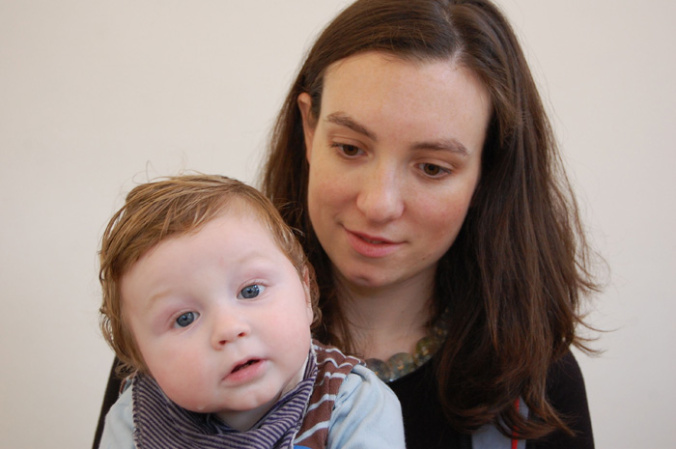
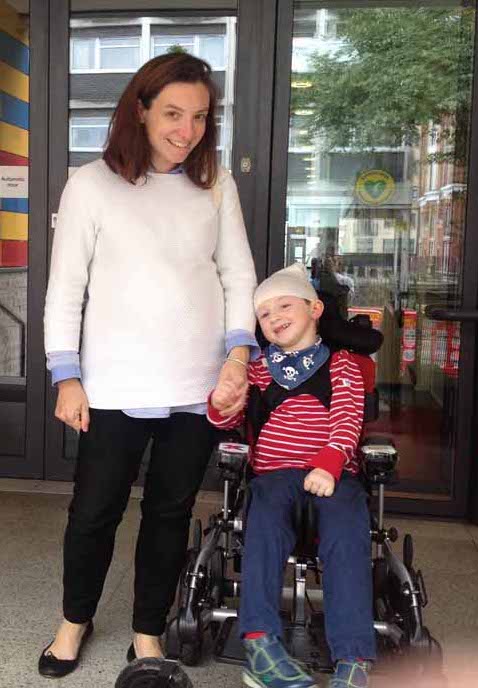
We are coming out of the post-surgery haze. Having come out of hospital one week after the operation, Ben started at a new school exactly two weeks after surgery. We had feared that he wouldn’t be well enough and might miss the beginning of term, so it felt like a huge win to get him there in one (slightly bruised, stitched together) piece.
IMG_1460 (1)

James has taken a significant chunk of time off work so we have had the luxury of introducing Ben to school slowly, calmly, with both of us around to make it work. We have been able to take him in together, learning how to drive into central London without killing a cyclist or getting embedded in a stationary traffic jam, and pick him up early. Max has come in with us and got to know the new school. We have all been able to meet the staff and see where Ben spends his day. It’s all been significantly less stressful than I anticipated.

It’s not all been plain sailing. Until earlier this week Ben had periods of profound unhappiness which couldn’t be resolved with paracetamol, or ibuprofen, or TV, or books, or lying in bed. There are few things more sapping than spending four hours with a child who is really unhappy and being apparently incapable of making things better. Maybe he had a headache (there is, after all, stuff in there that wasn’t there before), or a tummy ache (ditto), or the wounds are uncomfortable, or he’s just really bored of being with us at home. Not fun. But if someone told me pre-surgery that Ben would start at school two weeks later and be largely cheerful (or at least not miserable), I would have taken it.

He’s now done two weeks and he isn’t just putting up with school, he is really happy. As we walked in on the first day, Ben was all smiles. He has loved school thus far and he knew he would enjoy it, and he was right. That is partly because he likes learning and the variety of a school day, and partly because it’s an excellent school. James and I were far more nervous than Ben, but the staff are so obviously capable, receptive and skilled that we have had no choice but to happily leave Ben there and go for lunch in Clerkenwell or take Max to the Museum of London, again.

I’ve described before the importance, and marvelousness, of one’s disabled child going to a really good school. We have been fortunate enough to find two. Ben has moved schools because we, and the professionals working with him, felt he would benefit from more specific and specialist input so he has moved from a school for children with a range of special educational needs to a school for physically disabled children. He, and we, loved his previous school and were sad to leave. We all made very good friends there and Ben was lucky to be taught and supported by lovely, skilled people for two years. Saying goodbye to them all involved a lot of weeping, for once not just by me.

As part of leaving, Ben got his last school report. We spend a lot of time reading expert reports about Ben that are, necessarily, factual and focus on problems. Ben’s report was the exact opposite of this – hundreds of words of enthusiasm and celebration. It was a joy to read and was written evidence of the can-do attitude of his lovely teacher. Forgive me as I quote some of my favourite bits – comments that could only be made by people who have taken time to really get to know Ben and see past the immediate obstacles to communication and learning:
report 3

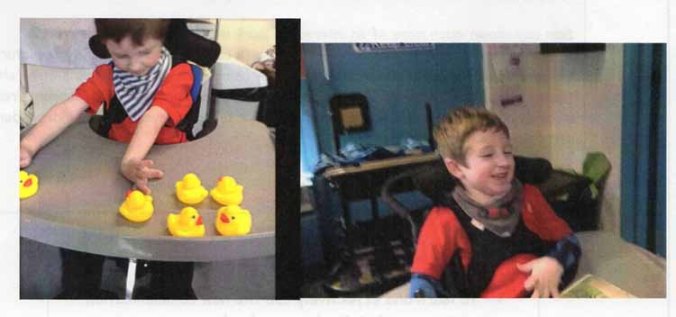
‘Children and adults are drawn to Ben’s fun friendly nature and positive attitude.’
report 4

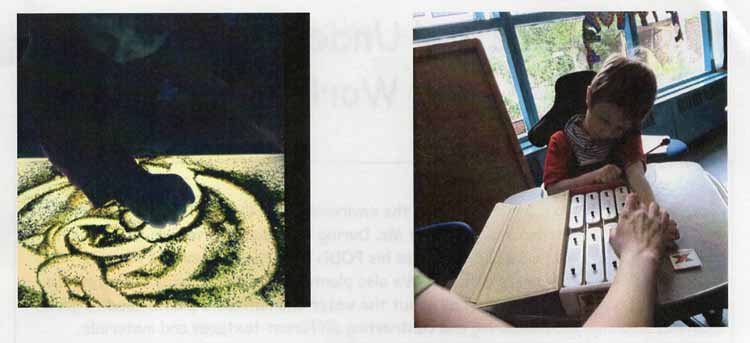
 ‘One of Ben’s many lovely qualities is his empathy. If another pupil receives praise or is celebrated for an achievement Ben will start to beam and become very excited.’

report 6

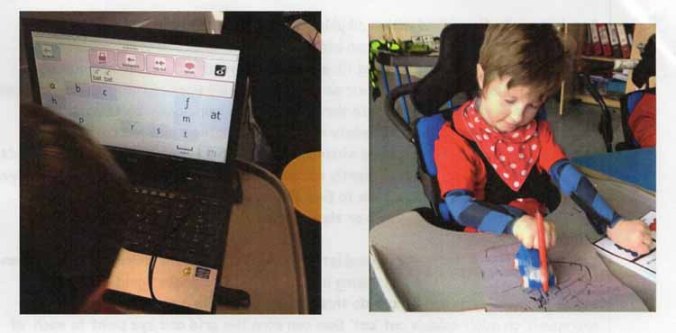
 ‘Ben can communicate with adults using his communication board, his PODD book, symbols or just by gesture.’

 ‘Ben has really flourished with phonics activities this year, and with the continued support he receives from his family he has excelled in this area.’

report 2

report 1

We are incredibly proud of him, so pleased he’s had such a brilliant experience of school so far and so thankful for such talented teachers and assistants. What a geek! Like mother (and father), like son.

‘That’s disgusting’

IMG_0570

Ben was ill recently, which meant he was off school and had to come with me to take Max to nursery. He was a trooper, considering he had a fever, and was not as grumpy as I expected as we walked round the corner.

Max goes to Ben’s old nursery and since Ben only left a year ago lots of the kids (and most of the staff) still know him and are excited to see him. This means he gets greeted enthusiastically by various adults as we enter, and then lots of kids come over to him as we go in to the playroom. I think I enjoy this familiarity more than he does.

This time we entered the room with Max holding on to me, because he wanted to go home, such is the whim of a 3 year old who likes nursery. As I negotiated doors that don’t stay open, a wheelchair with one hand, and a clingy Max with the other, a whisper went round the room that Ben was here. A little gang of 2-4 year olds came over and crowded round Ben, touching his legs and holding his hands. Truth be told, Ben isn’t hugely keen on this level of physical proximity from a gang of small (unpredictable) small children, but it’s quite a lovely thing to watch.

Then, a girl (probably 3 years old) pointed at Ben’s face.

‘That’s disgusting’, she said.

She meant the dribble. Ben’s lack of control of his tongue and mouth mean he can’t talk or eat, and he also can’t control his saliva. He can’t stop dribbling, and in fact if he’s excited, nauseous or stressed (such as when six children are crowding him) his tongue whirrs around in his mouth, increasing the amount he dribbles.

‘No, it’s not,’ I said. ‘It’s just dribble. He’s dribbling because he can’t help it. Ben’s not disgusting.’

Then I dabbed his mouth with the bib he always wears, got distracted by Max’s ongoing emotional crisis, and the kids talked about something else. While attempting to engage Max in something that wasn’t holding on to my leg, Ben lost patience with all the hanging around combined with fever and children, and burst in to tears. Max started crying in sympathy (increasingly common these days – really sweet but emotionally taxing) and a lovely nursery worker came to take Max out of my arms so that I could take Ben home. It was a great little outing.

Obviously that girl didn’t intend to be mean. She isn’t old enough to realise any of the implications of what she was saying and is just repeating what she’s been told at some point. I mean, if we took everything small children said as insults, then the locksmith who came to our house yesterday might have walked out when Max told him he was a bum, rather than fitting the window locks which will hopefully prevent us being burgled again. [Side note: they stole Ben’s iPad which we rely on daily. It’s unfeasibly irritating.]

This incident made me think again about how we manage Ben’s dribbling. In the past we have put Hyoscine patches behind his ears, which dry up secretions and so reduce the amount of saliva coming out of his mouth. However, Ben has a tendency towards a blocked nose at the best of times, and after nights spent holding him next to a hot shower in order to clear congestion, we didn’t feel reduced dribbling was worth difficulty in breathing.

In the meantime, we’ve just got used to it. Ben always wears a bandana bib to absorb any dribble, it’s become his signature look. The amount varies hugely – some days he can wear the same bib all day and we barely notice an issue, other days the dribbling is almost constant. We dab his mouth with the bib without even noticing.

But mainly, we haven’t done anything about it because we’re not sure Ben is that bothered. He occasionally gets a sore chin, but it’s easily treated with cream. I’m not convinced that Ben realises he dribbles, and if he does I don’t think he thinks it’s a problem. There are options to surgically reposition salivary glands, or take or increase medication. or inject Botox. All of these would involve recovery periods, side effects or disruption. Is any of it worth it if Ben doesn’t perceive a problem?

Unless. Did he notice the girl saying he was disgusting? How often does that happen that we don’t hear or realise? People stare at him sometimes – is this because of his disability or because he’s dribbling? Would reduced dribbling reduce the staring, or decrease some people’s level of disgust? How big a deal is some dribbling – I come from the perspective of having recently toilet-trained a small boy, so a bit or dribble is not high on my list of horrible things. If you’re an adult and really offended by some saliva, maybe you need to piss off.

My instinct is that we don’t interfere until Ben is annoyed by his dribble, or becomes aware of others noticing it. We can’t put him through invasive procedures or risk side-effects of drugs because we, or others, don’t like a bit of saliva, but I’m five years in to a world of bibs and dribble and am perhaps uncommonly blind to the issue. And maybe I haven’t factored in the honesty and unintended insults of children.


The world of the Wheelchair Accessible Vehicle

IMG_0495

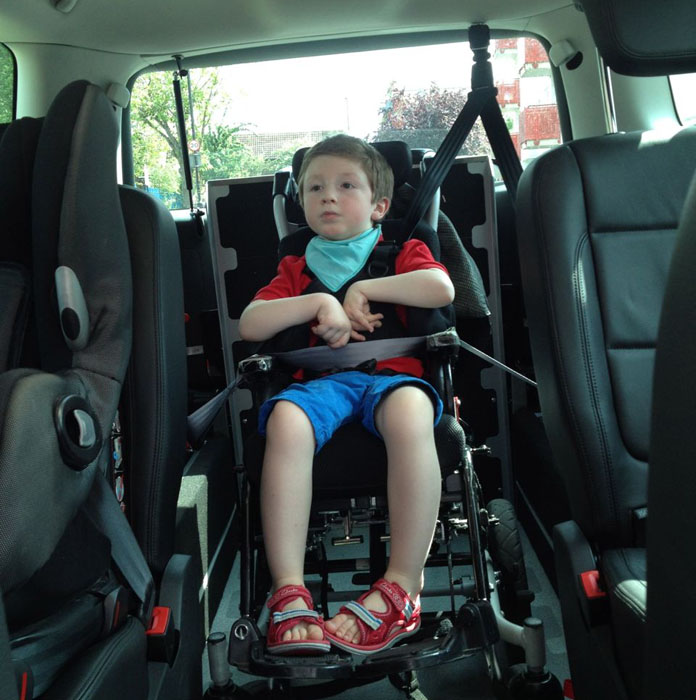
We are spending quite a lot of time at the moment thinking and planning how Ben travels. Now that he and his wheelchair are heavier, it’s more difficult to put him in a car seat and heave the wheelchair in to the boot. And he’s on the cusp of his head popping out the top of the car seat anyway.

We knew this was coming, and had been considering the possibility of a Wheelchair Accessible Vehicle (WAV) for a while. Like lots of these things, it’s important to have the idea suggested early so you can think, ‘Oh, we definitely don’t need one of those yet’. A year or so later, as you struggle to get the wheelchair out of the boot for the third time that day, you think ‘I can see there might be advantages to having a WAV’.

Finally, we got to the point where we had to actually do something about this, not least because we were asking other people to drive Ben places and it’s one thing choosing to destroy your own back but quite another to force it on other people. We also had a couple of long car journeys close together and because Ben kicks all the time, it meant the front passenger had their back pummeled for the entire journey, which can be wearing.

(Side point: Max (age 3) calls the driver seat ‘Daddy’s chair’ and the front passenger seat ‘Mummy’s chair’ despite me driving more than James. It drives me nuts! I’m trying to raise a feminist!)

WAVs are normal cars that have been adapted to include a ramp so that a wheelchair can be wheeled in and strapped down. We considered the options.

For us, it was crucial to get Ben as far near the front as possible, so we could keep an eye on him and he wouldn’t be totally separate from Max. There’s something hideous about the idea of me, James and Max sitting in the front two rows and then Ben being stuck back in the boot. We also need enough space to fit all of our other stuff, but for the car to not be too huge. We borrowed a WAV van last year and it was enormous – like driving a minibus to the shops. We live in inner London – we need to be able park.

We are incredibly fortunate – we have been able to get a brand new car, with lots of amazing features, where Ben is safe and comfortable (ish – his wheelchair needs adjusting but don’t get me started on the FOUR -SIX MONTH waiting list for wheelchair services). But still it will take some getting used to. I have a mixed relationship with unfamiliar cars; I can force myself to drive any car, anywhere (I’ve driven happily in Syria and Qatar) but I get extremely attached to the car I know. I’m currently having to remind myself daily that the new car is better than the old car (which was massive, and intimidating for other people to drive, but feels like my friend and I am – boast warning – amazing at parking it in busy central London).

img_0460

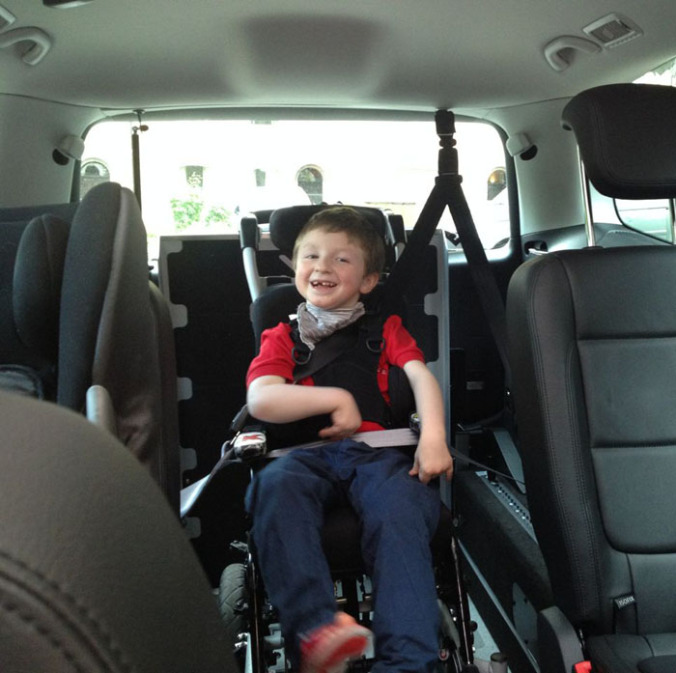
Also, a WAV forces you to rethink everything you know about safety. Up until last week, it was all about putting a seat belt on, checking the car seat was correctly fitted. Now it’s a fiddly routine of belts and clamps, tightening and tensioning, remembering the seat belt on top of all the other paraphernalia. In the past, I’ve become blase about inserting nasogastric tubes and tube feeding – clearly it is within my wits to get this process down but it’s going to take a while. And I’m a tiny bit resentful of all this palaver.

The boys need no convincing. Ben is happy to travel in any vehicle that has Charlie & The Chocolate Factory audio CDs playing, and Max thinks that a car with DVD players and headphones is pretty brilliant. This is a classic example of Max benefitting from his brother’s disability – Ben has a tendency to vomit in the car which is reduced if he watches something on TV while we drive.

So, apart from the business of going over speed bumps painfully slowly to avoid scraping the bottom of the ramp, and needing to find massive parking spaces to leave room for the ramp, the car is good. We will grow to appreciate the ways it helps us. I will learn to love it.

Extraordinary Bodies

Of the many things that change when you have kids, evening socialising is one of the most dramatic. James and I went from a pretty healthy social life to much rarer escapades, partly because it’s difficult finding people who we can train and trust to look after Ben, partly because babysitters are expensive. Going out is relatively unusual and totally lacking in any spontaneity.

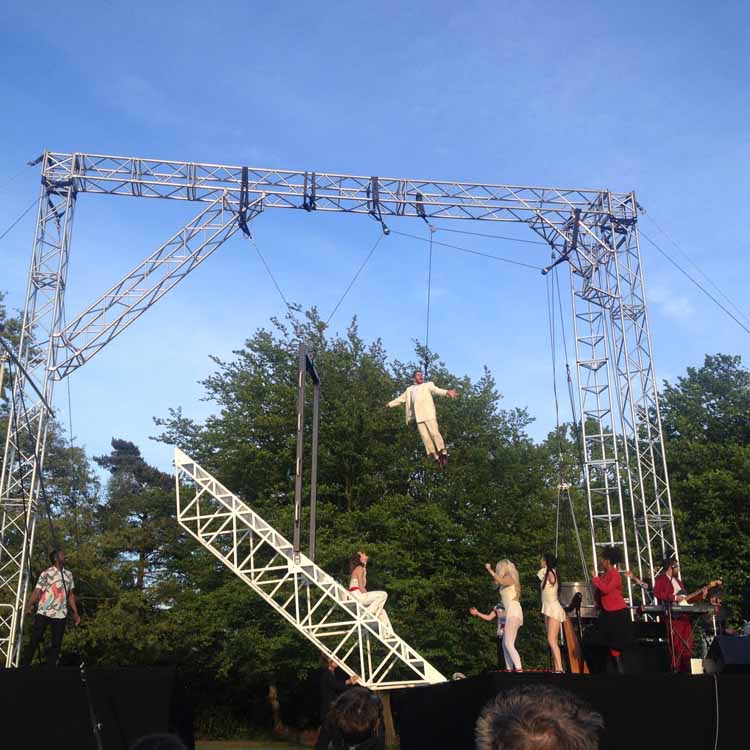
I was therefore excited as we headed to Dulwich Park last Saturday night, for an open-air circus performance called Weighting organised by our local council. I knew it would involve disabled and non-disabled actors and performers, and we would sit on a blanket, and it wasn’t raining. I had high hopes.

I was not disappointed. In a week when the election result had not been what I had hoped for and I’d read a report about Ben that had been unusually pessimistic, this was the antidote to any and all negativity.

IMG_0171

img_0173

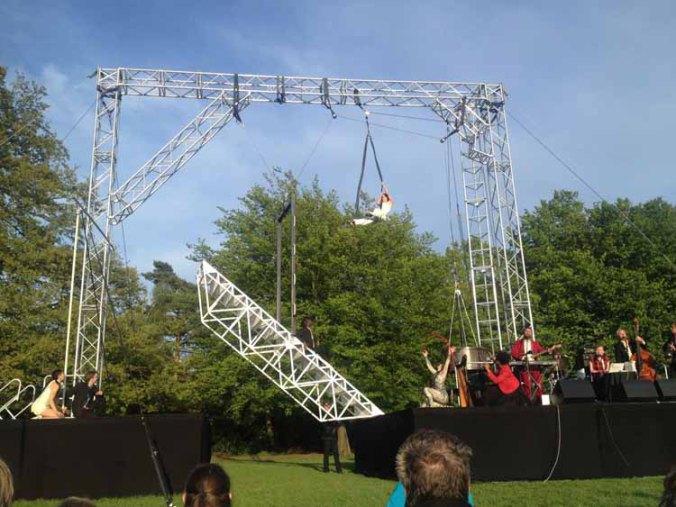
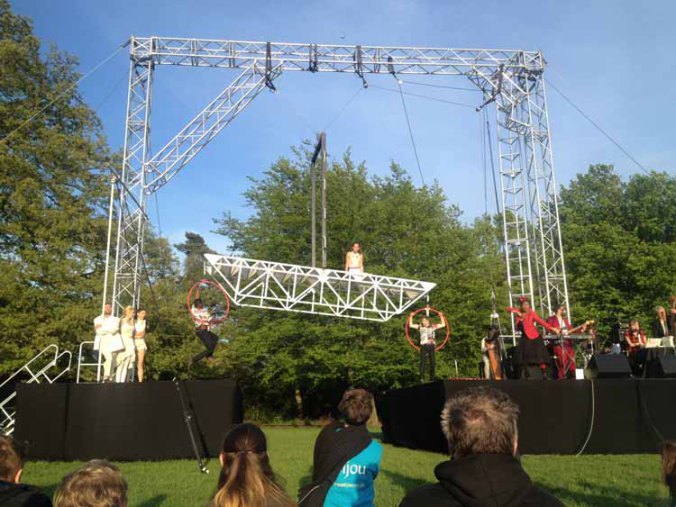
The performance centred around a bridge which separated worlds, and upon which incredible acrobatics were performed. There was brilliant music, and a storyline about a father’s fear of letting his daughters out in to the world. The performers were lit by the sun setting behind us, and the audience was full of every (dis/)ability, race, age and gender. I was loving it.

img_0178

IMG_0182

And then the Father in the show, who had a physical disability which made it difficult for him to walk and who I suspected might have cerebral palsy, started making his way on to the bridge amidst a storyline of him accepting his family must go out in to the world. He got most of the way up the bridge, slowly and carefully, and then leapt off the edge. Attached to a harness, he swung up and down suspended metres from the ground and looked so completely free, and it was so clear that he was enjoying himself, and IT WAS AMAZING. I did a lot of crying.

img_0183

IMG_0185

Then the community choir started, signing along with the lyrics they were singing, and a children’s choir joined them. This did not help my tears dry up.

Both in its preparation and its storyline, this was a show about people, some of whom happen to have disabilities. About the part of London we live in which is diverse in every way. It was about hope, and not letting fear take over, and love, and joy.

The theatre company Extraordinary Bodies celebrates every body, disabled or not, and turns the very fact of its inclusiveness in to its greatest asset. From the sign language interpreter dancing while signing, to the council subsidising such an inspirational piece of theatre so it was free to all, it was an extraordinary performance.

At a time when it feels like disabled people are taking the brunt of austerity in countless ways, Weighting tells us what we need to remember. Let’s regard everyone as extraordinary, help each other, come together and find joy where we can.

Sending Ben down a zipwire

Over the Easter holidays we took Ben away for an activity weekend. We went to Istanbul for a long weekend with Max in March, so now it was Ben’s turn to get uninterrupted time with his parents.

IMG_9848

I did not grow up with activity holidays. My family holidays involved weeks in the British countryside going on long walks, or staying on a smallholding in Spain and swimming in a pond full of frogs. Our dad would occasionally take us to the local swimming pool but we were more likely to be taken round Ronda bullring for the twentieth time than to be put in a canoe. Our meals involved omelettes and family arguments. Not once did we stay anywhere fully catered.

The Calvert Trust Exmoor enables people with various disabilities to experience outdoor activities that might be complicated or impossible otherwise. We had heard great things about it, but I was a bit nervous. Mainly about how Ben would feel about it all, but also because activity centres remind me of school trips. All of the schedules and rules and mealtimes make me feel like I’m 11 years old again, and when we arrived I actually felt a bit homesick, even though I was there with my husband and child, and I’m an adult with a car that I can drive away if I really want to. I had a small weep about leaving Max behind, and then cracked in to the red wine.

We were there for a long weekend. And what a weekend it was – undoubtedly one of the most intense of recent memory.

It’s quite hard to summarise how it went. It could be written one of two ways:

  1. Brilliant adventure! New experiences!

We were told our timetable when we arrived. We were worried about how Ben would deal with any of the activities, but particularly the canoe trip – it would clearly mean an extended period of time with no ipad or books or distraction beyond calm water. And he wouldn’t be able to sit in a supportive chair like normal. What were we going to do when he flipped out, in the middle of a lake on a boat we were sharing with other people?

img_9798

In fact, Ben was great. He was patient as we got ready for the trip, sat perfectly cross-legged in the boat and lasted almost and hour and a half before he got bored.

img_9774

The next day he was attached to the ceiling of a sports hall in a harness and swung around. As far as we are aware that was the first time he’d done that too.

IMG_9822

Then in the afternoon, we pushed him down a zipwire at high speed. Twice. He reacted to this extreme sport by closing his eyes for the entire thing and giving us a wry smile. He looked more relaxed than ever.

IMG_4108

IMG_9855

On both days he went swimming and hung out in the Jacuzzi, where he was relaxed and happy. We walked round a lake, sat by a fire, and read a lot of stories.

Our instructor was friendly and accommodating. He was skilled and experienced so knew how Ben could be supported to do each activity, and quickly worked out if Ben was getting impatient so made sure he went first when possible. He fits in to the category of people we come across pretty often who specialise in maximising the lives of disabled children and do it really well.

In the two days of activities, Ben took part in AND ENJOYED canoeing, swinging from a ceiling and zooming down a zipwire. He had never done any of these things before. If we achieved just one of those things in a normal weekend we would be inordinately pleased with ourselves. We’d spend the rest of the day watching the Paddington Bear film and congratulating ourselves on going canoeing. Canoeing!

  1. Really, extraordinarily hard work

Between all of these amazing activities which Ben enjoyed, we were working incredibly hard to keep the show on the road. Ben was a bit tense almost all the time in such an unfamiliar environment. We were in a group for each activity so there was inevitably some waiting around for our turn. As the weekend went on, we found we couldn’t wait for longer than a couple of minutes before he was getting grumpy. It also became apparent that Ben hates wearing a helmet.

IMG_9803

James and I were working overtime to keep Ben chirpy in between the action. Our timetable was packed with way more stuff that we would usually do with him on one day. Through a combination of fractiousness and tiredness, he didn’t enjoy a forest walk, or a challenge course, or crate stacking. He cried often and whinged a lot. We didn’t even try abseiling – we just stayed in our room listening to audiobooks and napped.

Ben was almost the youngest child there (most of the visitors are adults) so it’s not surprising that he was a bit overwhelmed. I was a bit thrown at times!

Meanwhile, all of our meals were provided but that didn’t include Ben’s gastrostomy feeds, and we didn’t have a kitchen. So we were washing syringes and cleaning the blender in our en-suite bathroom, storing his food in a mini-fridge, preparing medicines on a windowsill. It worked, but nothing makes you appreciate your own kitchen like not being in it.

When I was thinking about visiting The Calvert Trust, a friend told me it was the only place she had ever been where disabled and able-bodied people were viewed equally. She said, if only the rest of the world were like The Calvert Trust it would be a much better place. And she is totally right – we have never been anywhere where people (including James and I) assume Ben will be able to take part in every activity, and someone will have thought carefully about exactly how to achieve that. It is inclusive – both in terms of people participating in activities, and because it brings together a group of disabled and non-disabled people to get to know each other, talk to one another and eat together.

img_9813

But… I didn’t anticipate that being in a place with lots of disabled people, would make me see Ben as more disabled, rather than less. Even in a group of disabled people, Ben is noticeably less able than most. That is what it is – he’s brilliant, and cute, and clever, but his body just doesn’t work very well.

So by the time we got back to London, James and I needed a holiday to recover from the holiday. But instead James went back to work that afternoon, we decided to move house next month, and embarked on a series of hospital appointments with Ben. We are glad we went, and will definitely go back, but let’s be under no illusions that it will be a restorative holiday!

Ben’s Dad

DSC_0228

If I could undo Ben’s disability I would. I don’t have any time for the idea that it is part of some plan, or that Special People have Special Children, or that this is the way Ben was meant to be. Ben was a healthy, fully able baby in my womb, then his brain was damaged and now he is disabled. When he is older he can tell me what he thinks, but in my view it would be better if he wasn’t disabled. There is almost nothing that has followed from his birth I wouldn’t give back in order for him to be able to walk and talk. Of course this becomes more and more theoretical as he gets older, and we can’t imagine him any other way.

Ben is disabled, and he can’t walk and talk. But Ben is happy and healthy so we must get on with it.

However, one thing that I know now, that perhaps I wouldn’t have known quite so clearly without Ben’s disability, is that I married the right man. I am lucky. For this I am extraordinarily thankful.

Last week marked the anniversary of James and I getting together exactly fifteen years ago, when we were undergraduates spending too much time watching Neighbours and drinking too many pints of cheap lager. In the following ten years we had many adventures and a lot of fun, travelling frequently and building careers.

Then, five years ago, when Ben was born everything changed. I have no doubt that I wouldn’t have made it through the first year of Ben’s life relatively unscathed if I hadn’t had James. We were worried and sad. It seemed hard to have fun. But at least we were doing it together.

There is no equivalent to the shared responsibility of parenting, the person who is as interested as you in some domestic anecdote about something your child has done, who is as pleased as you are with a small development. I have taken on the majority of day-to-day care and co-ordination of Ben’s life, but James is always there listening, commenting and encouraging. James can do everything for Ben that I do and will do it happily, be that getting up almost every night with him for 6 months when I was breastfeeding newborn Max, or feeding him and giving him cuddles.

IMG_0162

I do not take this for granted. Statistics about relationships of parents of disabled children are chilling: you are more likely to separate if your child is disabled. The combination of demands (physical, financial and psychological) and stress are too much for many couples.

I can’t help think this isn’t helped by many professionals addressing themselves almost exclusively to mothers. We have had numerous experiences in hospitals, clinics or at home where people talk to me and ignore James. They do not ask his opinion, or literally talk to me about Ben with their back to James (for example, about the risks of an impending general anaesthetic).

But it is a fundamental misunderstanding of the dynamic of our family to think James isn’t interested or involved in Ben’s day-to-day life. It is not only insulting to James by minimising his role as Ben’s father, but also puts more pressure on me as the one who should know everything and shoulder most of the responsibility.

It also doesn’t account for my notoriously unreliable memory versus James’s ability for near-perfect recall. Or that James combines all this parenting with a full-time job. Or that, for example, he’s taken a day of leave from that job to be sat on a hospital ward being ignored by a junior doctor.

Sometimes I look at my kids and I almost can’t cope with the amount that I love them. I felt like this about my younger sisters when they were small – I sometimes almost crushed them with cuddles. Like yesterday when I collected Ben from school; I walked in to his classroom and he was so obviously happy to be there, and then saw me and looked like he was the happiest he had ever been.

The only thing better than that feeling of fierce pride and overwhelming love is witnessing it between your husband and your children. He loves them as much as I do, and we are all Team Ben.

DSC_0207

12 Thoughts About Physical Disability prompted by Stephen Hawking in The Theory of Everything

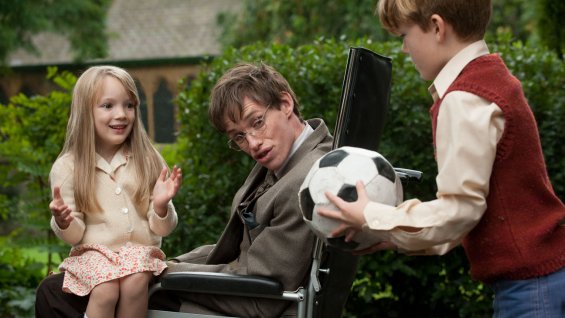
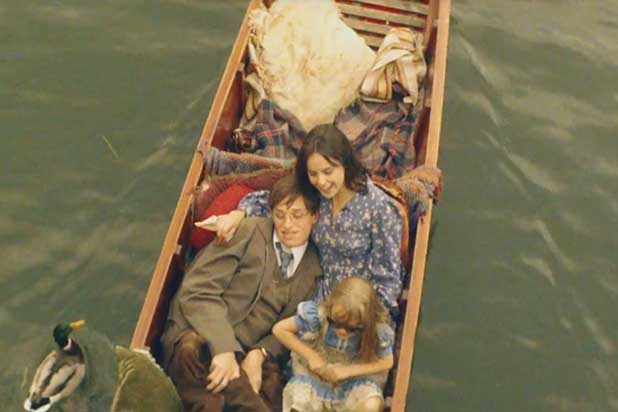
I went to see The Theory of Everything this week, a film about the physicist Stephen Hawking and his relationship with his wife Jane. Hawking is diagnosed with Motor Neurone disease at the beginning of the film and becomes progressively more physically disabled just as his scientific career is taking off.

It is brilliant. Eddie Redmayne as Stephen Hawking is extraordinary and his portrayal of encroaching disability is utterly convincing. Many aspects of his life are common to any physically disabled person but his experience is particularly relevant for people whose intelligence and cognition are unaffected.

It is a salutory reminder of why some people in the disabled movement use the phrase ‘not yet disabled’ to describe able-bodied people. We are all just one diagnosis away from being disabled.

How Hawking’s increasingly weak and uncooperative body affects his life and his family are portrayed well and are familiar, hence why I spent a bit of time weeping in to my sweets (£8.47 worth of pick-a-mix to be precise. I KNOW, it’s a reaction against never being allowed sweets as a child).

There are obvious differences between a genius physicist losing motor function and a small boy being born with brain injury that leaves him physically disabled. Ben is actually very interested in space, but let’s all agree he hasn’t yet written a cosmic book that has sold 9 million copies.

But there are similarities, so in the manner of a Buzzfeed article, here is a list of 12 thoughts about being (or caring for someone who is) physically disabled prompted by The Theory of Everything:

  1. Physical disability can be a bit shit, and everything would be easier for Stephen Hawking and for Ben if they weren’t disabled. This is very sad, and it’s easy to become overwhelmed by the sadness, but resist because…
  2. It’s possible to live a good and full and useful life if you are disabled. This may mean you redefine Time or it may mean something less ambitious, but it can be a life well lived.
  3. It’s not necessarily that easy for the family members who surround a disabled person (Hawking was keener on physics than he was on making things easy for his wife) but people will do a lot for those they love, and will do it happily (until they, like Stephen, divorce you for their nurse. Let’s brush over that for now).
  4. Kids and siblings are great. They tend to be cheerful and accepting of disabled people and like riding on wheelchairs.
  5. Male carers or helpers are really useful – physical strength is hugely valuable if someone’s body doesn’t work very well. Such strength can enable things to happen, such as overcoming the fact that…
  6. Wheelchairs and beaches are inherently incompatible.
  7. Working with a good speech and language therapist can make all the difference.
  8. It’s all about communication. It is totally crucial to find the right system of communication, find the right person to make it work, and make sure it keeps working.
  9. Avoid stairs. If that means having a bed in your kitchen, so be it.
  10. Get help, from friends, family, volunteers. Employ people if you can.
  11. If you’re the carer for a disabled person, don’t lose yourself. Jane Hawking’s love of Iberian poetry was subsumed by Stephen’s obsession with black holes and his refusal to allow others to help. It needn’t have been that way.
  12. Felicity Jones, who plays Jane Hawking, looks 15 years old at the beginning of the film, and about 18 years old at the end when apparently 30 years have gone by. Perhaps caring for a disabled person bestows some magical anti-ageing properties? I’ll come back to you on this.

theory_of_everything_still_a_l

ttoe_d25_07877_3135284b

toe4

Cosmic Christmas!

It was Ben’s school nativity play last week. His first ever. Called ‘Cosmic Christmas’, it wasn’t the typical nativity story (each class were aliens from a different planet, I don’t recall that detail from my school plays) but it was great. Each class did different things according to the childrens’ disabilities or talents.

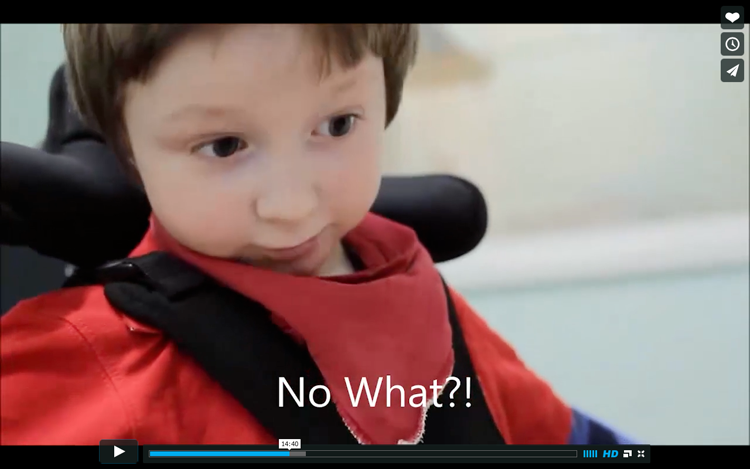
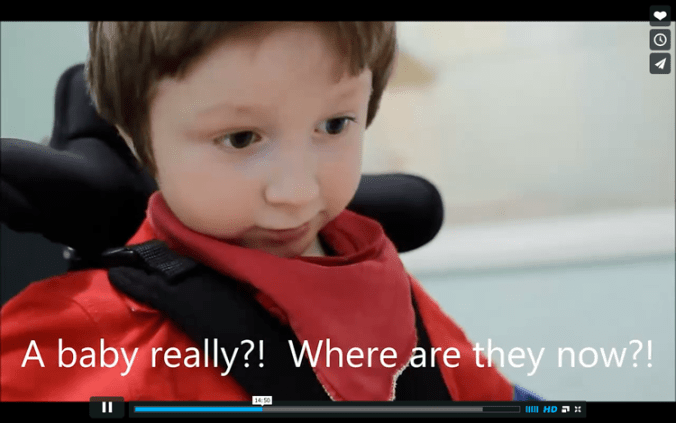
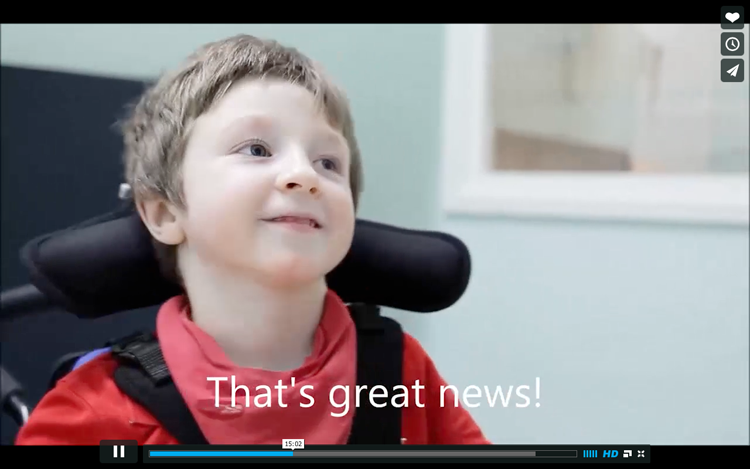
As part of the performance, the school had pre-recorded videos with some of the children. We watched Ben and another boy smiling as the sun rose on Red planet, news had spread that Mary and Joseph were going to Bethlehem. They then had a subtitled ‘conversation’:

‘Have you heard?!’

no what

‘The star said that Mary is having a baby!’

a-baby-really

‘They’re crossing the desert to Bethlehem’

thats great news

Having heard that Mary and Joseph were going to have a baby, the aliens then celebrated with a dance, to African music obviously. Most of the kids in Ben’s class are in wheelchairs, which had all been decorated in the red theme.

There was loads of emotive music and a little tear in my eye. It can’t be assumed that Ben will enjoy events involving kids, noise, or lights, however carefully planned. But Ben was happy and engaged, even if a bit tense at times (the boundary between exciting and overwhelming being very narrow at times like this).

At the end, everyone sang the school song ‘Something Inside So Strong‘ with all of the staff doing makaton signing. It was a glorious mix of total chaos (these are not a group of kids who naturally keep still or quiet), festive fun and emotion.

A crew from the BBC was filming the play and this week they put this video online. The school phoned to ask whether James or I would talk to BBC Radio 5 live about watching the play. I might have said no, but as James passed on the message he said ‘Do you want to go on 5 live at 10.30am? You should do it’. It then seemed a bit pathetic to say no.

James has done 5 live before, and it’s never a bad thing to equal one’s partner’s achievements (yes, he was talking on a satellite phone in the midst of a revolution, but let’s not be pernickety).

So that is how I found myself sitting on the floor of my sitting room waiting for a call at 10.30am on Thursday morning. When James bought the cheapest house phone in the shop last month I don’t think he anticipated it being used for live radio. When it rang (tinnily) I was put through to the studio, which meant I could hear the live radio program down the phone. I sat through a lot of news about ankle injuries and wingers, then a very sad breaking news story, before the presenter said hello and we were off.

You can listen here (from about 44 minutes in). I did what I always do in any public speaking situation, which is to instantaneously forget what I have said. When James asked me afterwards how it had gone, I had no idea (yes, he wasn’t listening, some excuse about a meeting). The school were happy, which was the most important thing – they called to say Ben had been listening in his classroom and had smiled at my voice. When I went to collect him that afternoon I felt like a minor celebrity.

I was thrilled to be given the opportunity to talk about Ben (this blog being an obvious manifestation of my enthusiasm in this regard) and to celebrate Ben’s school, which I love. The staff had worked very hard on the play and the kids and parents enjoyed it – and that is something worth publicising. People love a feel-good story about kids, and the video was ‘most watched’ on the BBC website for a good few hours. It is beautifully filmed and it celebrates kids who deserve to be celebrated so all to the good.

It is, however, a fascinating insight into the perception of disability by media, or at least what you have to call a news story to get people to click on it. The headline of the BBC News video, The parents who never expected to see their child in a nativity play, is awful and misrepresentative of the piece as a whole. The whole ethos of the school is positive and optimistic and to involve the parents, so it would be a failure if parents thought there would never be a nativity play and had no idea what their children were capable of, only to turn up to a Christmas play and have their minds blown!

When the 5 live producer had called me to discuss the piece, he had asked, hopefully, whether I had ever thought this would happen? Had watching the play had been the highlight of my year? I said it was fun, and I enjoyed it, but loads of good things have happened this year. As much as I like to tug people’s heartstrings when possible, let’s not get carried away.

I told the producer enthusiastically about Ben’s recent spelling triumph using an eye gaze computer, and the presenter then brought that up at the end of the segment. An opportunity to advertise a brilliant school and broadcast Ben’s skills on national radio? Yes please.

‘I feel sick’

I am having an incredibly boring couple of days. Ben has vomiting and diarrhoea. It has unfortunately coincided with the days when we do not have help from nannies/carers and Max ‘settling in’ to a new nursery. Obviously Ben can’t go to school. It’s not really possible to look after both kids so James had to take yesterday off work. As always, my work gets pushed aside.

Any parent is familiar with the curious mix of boredom and worry that accompanies having a sick child. Max’s developing speech means he can now tell you a lot of what he thinks or feels, so when he woke up vomiting on Saturday night he could scream ‘I sick!’. Over the next few days he could tell us that he felt sick, that he needed a cuddle, that we needed to be gentle when we changed his nappy. It’s not fun seeing him ill, but amazing that he can be so eloquent about it.

That’s the first time we’ve nursed a speaking child though an illness – we are much more used to a child who is unable to say how they feel or what they want. Ben is often sick; when he vomits we have to wait and see whether it’s a sign of illness or just another bit of reflux. It became clear yesterday that he was ill and couldn’t go to school. So ill that we stopped all food and he had small amounts of dioralyte (though his gastrostomy tube) while watching hours and hours of TV. Today he woke pale and quiet and withdrawn. By mid-afternoon today he’d had half a banana (whizzed up in the blender and pushed through his feeding tube) and was complaining that Bob the Builder was unsatisfactory entertainment so hopefully he’s on the mend.

James and I know Ben so well we can generally tell by his movements, facial expressions and noises whether he is happy or not, whether he’s in pain or content. But we never know what’s coming – he can’t tell us he feels sick before the inevitable puke. He can’t tell us he’s hungry to indicate his tummy is ready for some food. So we just have to guess, and sometimes that means what goes in comes right back out again. So. Much. Wiping. And entirely homebound.

Earlier this week Ben had a general anaesthetic in order to have some tests. Other people can have this scan without sedation but Ben would move too much. It meant a whole day in hospital while we prepared for and then he recovered from the anaesthetic. Ben’s five weeks in hospital after he was born has left us with a strong distaste for the artificial light, overheated rooms and lack of control of a stay on a ward. It never gets any easier leaving Ben after he’s been anaesthetised (he’s had two operations related to his gastrostomy), sitting around eating M&S sandwiches while wondering what’s going on, worrying that he’ll wake up and won’t know where he is. It’s horrible when they do say you can go and see him because he’s confused and upset, and looks tiny in the massive hospital bed.

One of the questions his assigned nurse had asked in the morning was whether Ben could talk. We said no, but that he understood speech. Throughout the day we told him who each new person he met was and explained what was going to happen. Ben hates any kind of fiddling (he cries when he is weighed, even though this only means being held by me while I stand on some scales) but after 45 minutes of ‘magic’ cream on his hands and a lot of warning, he was surprisingly okay about the cannula being put it. They took blood at the same time as preparing for giving him the anaesthetic. Ben has a yearly blood test to check he is getting all of the necessary nutrition, something he finds traumatic. At least this reduced the number of times he’ll need to be pierced with a needle.

In the afternoon, as he recovered and waved his bandaged arm around, he started complaining that the entertainment was not up to scratch. A sure sign that he was on the up. He then whinged when the nurse came near him with a pulse/sats monitor. His nurse understood what he was trying to say, ‘You said he couldn’t talk, but I’m in no doubt what he means.’ Indeed.

Care/Trust

I met a woman recently who has two small children, one of whom has cerebral palsy. She would like to return to her skilled job but can’t find suitable childcare for her disabled child. A therapist recently asked her whether she thought it was right for her to go to work, didn’t she think she should stay at home with her disabled child who really needed her? I suspect no-one ever said such things to me because they somehow knew I might do something regrettable to them. Only someone who has no experience of looking after a disabled child would think it was a good idea for their mother to have no respite.

I went back to work when Ben was 10 months old. It was a bit more complicated than that sounds because ‘back’ meant to an employer who had last employed me three years previously and the job I had gone on maternity leave from was in Qatar.  But ‘back’ I went, for two days a week.

We obviously needed some childcare. I had no real understanding of how it works in London and so had half-heartedly put Ben’s name down for the two nurseries I walked past each day – one a small private nursery who were perfectly friendly but didn’t seem optimistic about us making it to the top of their waiting list any time soon, and an Early Years Centre run by our local council.

I visited a potential childminder and sat in her sitting room as an evangelical Christian TV channel was put on mute. I explained Ben’s needs (being fed through his gastrostomy tube, medications, needing to be entertained, held, helped to sleep). She was happy with all this but she was recently qualified and had no particular experience of a child like Ben. Then she talked about how she would have up to four children with her. I left and phoned my husband, James, to tell him there was no way that woman could look after Ben; that she had no understanding of how relentless a job it would be.

We decided that if Ben was going to be in any kind of childcare it should be a nursery, where staff could take turns if he was miserable for hours and there would be more going on around him. So I called the Early Years Centre to check our progress on the inevitable waiting list and, in a moment of extraordinary luck, the manager answered. She listened to me describe Ben and called back that week to offer us a place for two days a week, starting in a few months.

Leaving Ben at the nursery was very hard. The first time I took him, I called James to weep – convinced that I couldn’t possibly leave Ben, that he wouldn’t be okay, that I could never return to work. It takes an incredible amount of trust to leave any child in someone else’s care – particularly a child who staff have very little experience of, when they have only just been taught how to feed him, when he occasionally chokes and turns blue with no warning.  A child whose care involves liaising with physiotherapists, occupational therapists, speech and language therapists, community nurses, dieticians and who will vomit on you at least once a week.

At the same time it was very easy. All I had to do was go to work, stay there all day and pick him up. It meant leaving the house at 6.30am in the dark and crossing London but it was so incredibly liberating. I could walk up any flights of stairs I liked with no buggy, I read books for the first time in almost a year. I felt a bit duplicitous that people might think I was an average 30 year old woman and not realise I was Ben’s mother. At work, people talked to me about all sorts of things that weren’t related to babies or cerebral palsy or mothering. I could pee whenever I liked, and think about what sandwich I might have for lunch. It was restorative and important to remember I was competent.

James was very supportive but inevitably late for work having dropped Ben and a mountain of bags off at nursery. They had generally been up most of the night anyway – Ben’s sleeping was appalling and we had a deal where James got up with him before I worked. And he had a big job at the time so was normally coming home from work at about 7pm to help me get Ben to sleep, having supper, then working on his laptop until after midnight. It was brutal.

Going to work was absolutely the right thing to do, and only possible because I had a very supportive employer.

One of the challenges for a parent of a disabled child is that your child is highly dependent on you, but you need for your own sake and theirs to find a way to have a break. By the nature of Ben’s difficulty in independently eating/drinking/moving/playing, he needs adults around all of the time and they need to be people he and we trust. We feel we should have him with us all the time. But because his needs are so high, because he can’t entertain or occupy himself, because he can’t sleep through the night, we need to have a break and must learn to let others take care of him.

Ben’s keyworker at nursery was a Sierra Leonean woman (let’s call her A) with only one setting when she talked and that was LOUD. Ben had (still has) a startle reflex so he jumped at loud noises and often found this upsetting. He was totally confused by A but over time he accommodated the noise and the enthusiastic physical affection. A, meanwhile, became one of Ben’s fiercest defenders. She was just the first of a number of keyworkers that took it upon themselves to care for Ben, teach him to look and laugh, buy his favourite books out of their own money. Heaven help anyone who didn’t appreciate him (leading to a succession of agency 1:1 assistants who were deemed unsatisfactory and dismissed).

The nursery story isn’t all sweetness and light and I’m sure I’ll come on to the trickier moments (when I actually withdrew Ben for a bit), but at its heart Ben’s nursery is a place that is totally okay with the idea of difference. It has middle class kids living in the surrounding Georgian houses and working-class kids from the estate down the road, social service referrals and children who are there five days a week while their parents work in media, kids from all countries and permutations of families. It’s often a shambles, but as a lesson to kids that everyone should be included it’s doing pretty well and we were all very lucky to find it.

(Photos are of Ben at 10-12 months old, when he started at nursery)